The best places to live in the Algarve are not the same for everyone, and that is the honest place to start. The region runs roughly 150 kilometres along Portugal’s southern edge, from Sagres in the west to the Spanish border past Tavira, and the gap between one town and the next is a gap in daily life, not just in the view. A retired couple from Ontario, a remote-working family from the UK, and a surfer in their thirties will each be happiest in a different part of it.
This guide is about that fit. It sets aside asking prices and looks at what each area feels like to actually live in: who tends to settle there, how much English you will hear on the street, how busy it gets in August, and how quiet it turns by November. Living in the Algarve year-round is a different thing from holidaying in it, and choosing well starts with being clear about which one you are planning for. If you want the wider picture of daily life here first, our guide to the Algarve lifestyle is a good companion to this one.
Key takeaways
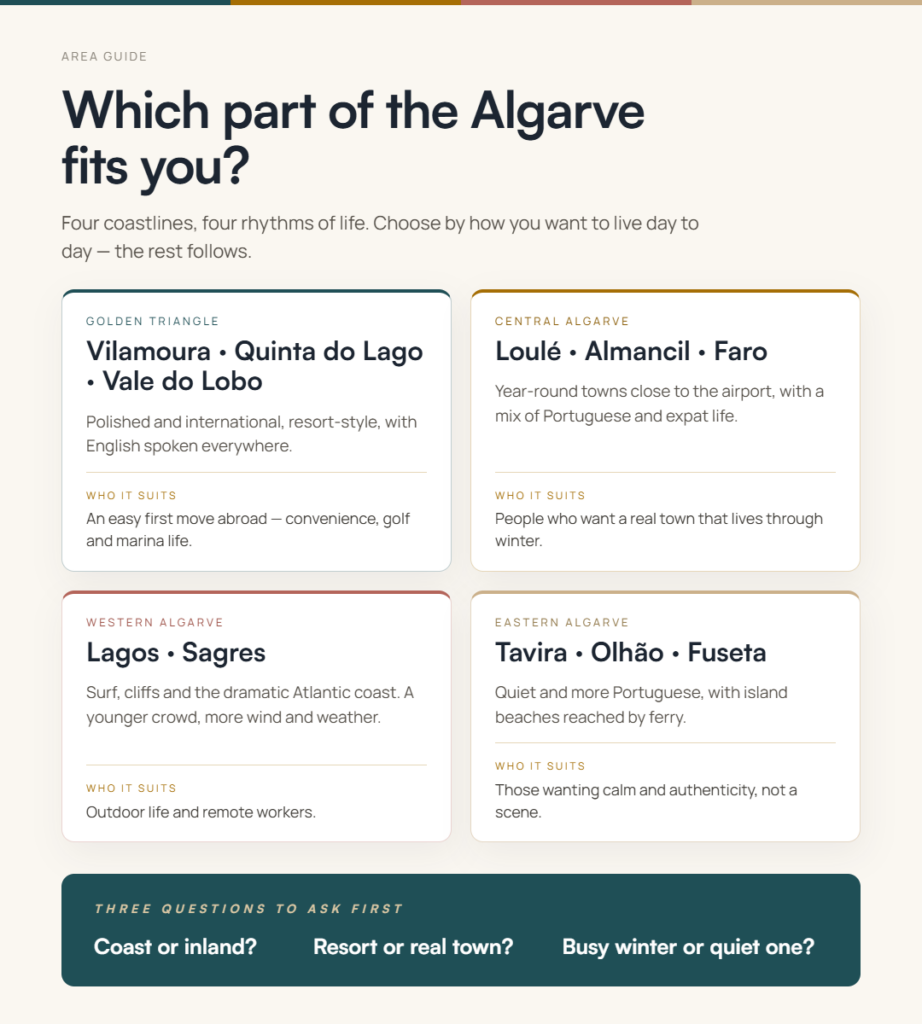
- The golden triangle of Vilamoura, Quinta do Lago and Vale do Lobo suits buyers who want resort-style convenience and a largely international community.
- The western Algarve around Lagos and Sagres draws a younger, outdoor crowd and gets more Atlantic wind and weather.
- The eastern Algarve around Tavira and Olhão is quieter, more Portuguese in feel, and less shaped around tourism.
- English is spoken widely along the central coast and less so inland and in the east, where some Portuguese helps.
- The Algarve has a longer, milder season than northern Portugal, which is a main reason international buyers settle here.
How the Algarve differs from the rest of Portugal
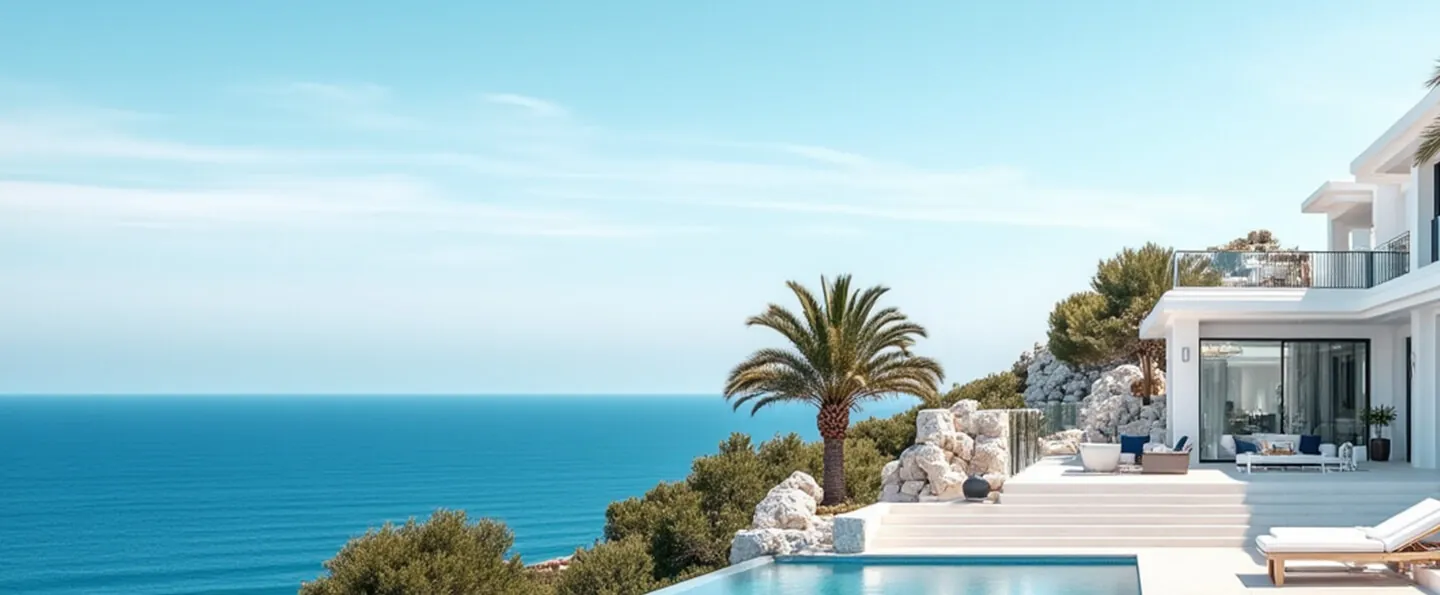
The Algarve differs from the rest of Portugal mainly in three ways: climate, how much English gets spoken, and pace. It is the warmest and driest region in the country, with mild winters where you can eat outside at noon in January, and long dry summers. The far north around Porto and the Minho is greener and considerably wetter, and even Lisbon, three hours up the coast, has cooler and grayer winters than the south.
There is also no big city here. Where Lisbon and Porto are proper urban centres, the Algarve is organised as a string of towns spread along the coast and up into the Serra hills inland. Life is more horizontal and slower. For many international buyers that is the whole appeal, though it does mean you drive more, and the nearest large hospital, airport or specialist shop may be half an hour away rather than around the corner.
English is spoken more widely in the Algarve than almost anywhere else in Portugal. Decades of British, Irish, Dutch and Scandinavian tourism mean that along the central coast you can open a bank account, order lunch and see a doctor in English without much friction. That thins out as you move inland or east, where more Portuguese is genuinely useful, and learning some is both practical and quietly appreciated by neighbours.
The food is coastal and unfussy. Grilled sardines and mackerel over charcoal in summer, cataplana (a seafood stew cooked in a hinged copper pan), fresh clams cooked with garlic and coriander, and dogfish soup in the older fishing towns of the east. The Saturday municipal markets in Loulé, Olhão and Tavira are where a lot of ordinary life still happens, fish and produce early, everything else afterwards. Our piece on the region’s food and markets goes further into what is worth seeking out and when.
How to choose your area
Choosing where to live in the Algarve comes down to a few honest questions, and none of them are about budget first. The area you are happiest in is usually decided by temperament, not by a price band.
First, coast or a working town inland. The coast gives you the beaches and the sea air but also the summer traffic and the seasonal rhythm, where a place can feel full in August and half-shuttered in January. Inland towns keep a steadier year-round pulse and a more Portuguese daily life, at the cost of a longer drive to the water.
Second, resort or real town. Some buyers want a gated, low-maintenance community where the golf, the shops and the restaurants are a buggy ride away and largely run in English. Others would find that quiet and slightly unreal, and would rather be somewhere with a working market, a football club and neighbours who have lived there for generations. Neither is the right answer. They are just different lives.
Third, how you feel about the season. The Algarve you visit in July is not the Algarve you live in through February. It is worth asking whether you want the winter buzz of a town that stays open, or whether the deep off-season quiet sounds like relief rather than isolation.
The golden triangle: polished and international
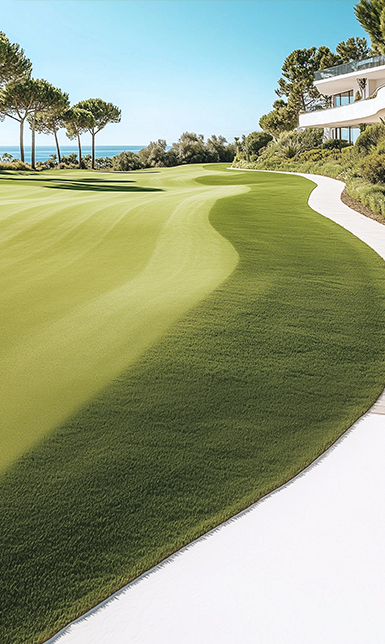
The golden triangle of Vilamoura, Quinta do Lago and Vale do Lobo suits buyers who want an international, resort-style life with almost everything close by and available in English. This central stretch is built around golf, marinas and gated estates, and its community is largely made up of people from elsewhere: British, Irish, Northern European and increasingly North American.
Vilamoura is the most self-contained of the three, organised around a large marina with restaurants, moorings and a summer social scene. Quinta do Lago and Vale do Lobo are quieter and more residential, green and manicured, with private security and beaches reached across the Ria Formosa. It is an easy landing for a first move abroad, because the practical friction is low and you are rarely the only foreigner in the room.
The honest trade-off is that it can feel a step removed from Portuguese daily life, and parts of it go noticeably quiet out of season. If part of what drew you to Portugal was the country itself, this is the corner where you will have to seek that out rather than have it on the doorstep.
Central Algarve: connected and year-round
The central Algarve around Loulé, Almancil and Faro suits people who want a real year-round town and easy connections, without giving up proximity to the coast. Faro is the regional capital and home to the international airport, which matters more than it sounds when family visit often or you fly back and forth. It is a genuine working city with a university, so it keeps its rhythm through winter.
Loulé, just inland, is a market town with a long Portuguese identity and a growing international layer sitting comfortably on top of it. Its Saturday market is one of the anchors of local life. Almancil sits between Loulé and the golden triangle, more functional than pretty, but well placed for the coast and full of the everyday services that make settling in simpler. This band tends to appeal to buyers who want to belong to a place that exists independently of the tourist season.
Western Algarve: surf, cliffs and a younger crowd
The western Algarve, running from Lagos out toward Sagres and up the Atlantic coast around Aljezur, suits a younger and more outdoor crowd. This is the dramatic end of the region, with high cliffs, big surf and a landscape that feels wilder than the sheltered central beaches. It has become a magnet for surfers, remote workers and people who put the outdoors near the top of their list.
Lagos is the hub: a historic walled town with a lively year-round scene, a marina and a strong international community that skews younger than the golden triangle. Portimão nearby is larger and more workaday. Head further west toward Sagres and Costa Vicentina and it turns remote and elemental, beautiful and genuinely quiet in winter.
The trade-off out here is the weather. The Atlantic coast is windier and cooler than the south-facing central beaches, the water is bracing rather than warm, and the exposure that makes the surf good also makes some winter days raw. For the right person that is a feature, not a fault.
Eastern Algarve: quiet and more Portuguese
The eastern Algarve around Tavira, Olhão and Fuseta suits buyers who want somewhere quieter and more authentically Portuguese, and who are not chasing an international scene. This stretch, running toward the Spanish border along the lagoons of the Ria Formosa, has kept more of its fishing-town character than the central coast. Its beaches sit on barrier islands reached by ferry, which keeps them calmer even in August.
Tavira is the graceful one, a river town of churches and old bridges that stays lived-in year-round. Olhão is grittier and more working, a real fishing port with two cast-iron market halls on the waterfront and a food scene that has quietly caught up with its reputation. Fuseta is smaller again, a village more than a town.
The honest drawback is the very quiet that makes it appealing. There is less English spoken, fewer international services, and the winters are genuinely still. Some buyers rule the east out for exactly the reason others choose it, and it is worth spending time here off-season before deciding which camp you fall into.
Frequently asked questions
Where are the best places to live in the Algarve for foreigners?
It depends on the life you want. The central coast and golden triangle around Vilamoura, Quinta do Lago and Almancil suit buyers who want an international community and services in English. Lagos suits a younger, outdoor crowd. Tavira and the east suit those wanting a quieter, more Portuguese pace. There is no single best town, only the one that fits how you want to live.
Which part of the Algarve is best for retirees?
There is no single best area, but retirees who want ease and an international community often settle in the central Algarve or the golden triangle, where English is widely spoken and healthcare and services are close. Those wanting a quieter, more Portuguese pace and a lower-key daily life tend to prefer the east around Tavira. Visiting in winter, not just summer, is the most reliable way to judge the fit.
Is the Algarve a good place to live with children?
Yes. The Algarve has several international schools concentrated around the central coast and the golden triangle, a mild climate that keeps children outdoors most of the year, and a safe, family-oriented culture. Families often favour the central band around Loulé, Almancil and the golden triangle for the balance of schools, services and year-round community, with the coast close enough for weekends.
Can you live in the Algarve speaking only English?
Along the central coast and in the golden triangle, you can manage daily life almost entirely in English, from banking to healthcare to shopping. It becomes harder inland and in the eastern towns, where Portuguese is more necessary for everyday errands and for connecting with neighbours. Learning some Portuguese is worthwhile everywhere, both for practical reasons and because it changes how welcome you feel.
Which part of the Algarve is quietest?
The eastern Algarve around Tavira, Olhão and Fuseta is generally the quietest, along with the remote western coast near Sagres and Aljezur. These areas stay calmer through the summer and turn genuinely still in winter. The busiest and most tourist-driven stretch is the central coast around Albufeira and Vilamoura, which is lively in season and much quieter off it.
Is the Algarve too touristy to live in year-round?
It depends on where you settle. Some resort areas feel crowded in July and August and empty out in winter, which not everyone enjoys. Working towns such as Loulé, Faro, Lagos and Tavira keep a steady rhythm all year and are far less defined by the tourist season. Choosing a town with real year-round life is the simplest way to avoid the feeling of living in a holiday resort.
Choosing well, in the end
The most useful thing you can do before choosing a town is to separate the place from the life you want inside it. Decide first whether you want coast or inland, an international bubble or a Portuguese one, a busy winter or a still one. The right area usually becomes obvious once those questions are answered honestly, and the towns above each speak to a different set of answers. If you are still weighing it up, our free relocation guide walks through the practical side of settling in.
When you are ready to match a specific budget and set of priorities to the right corner of the region, that is exactly the work a buyer’s agent does. You can book a free 45-minute consultation with Algarve Buyer’s Agent at algarveba.com/contact, and talk it through with someone who lives here and knows how each town actually feels across the year.