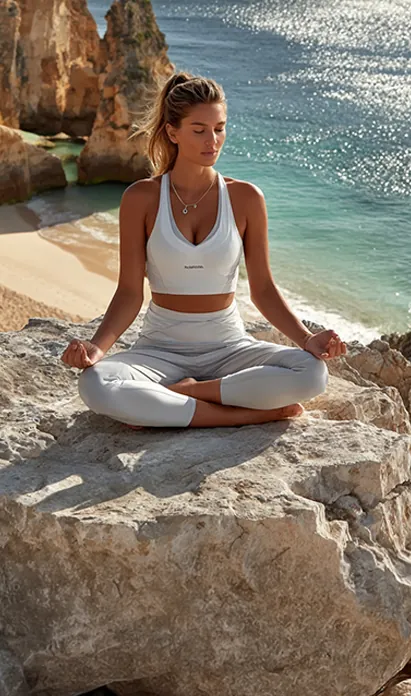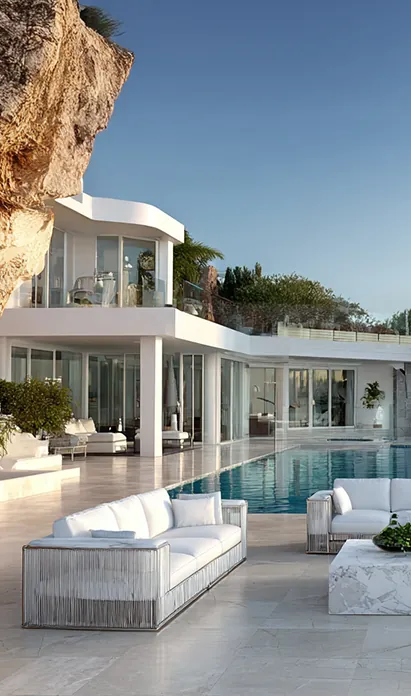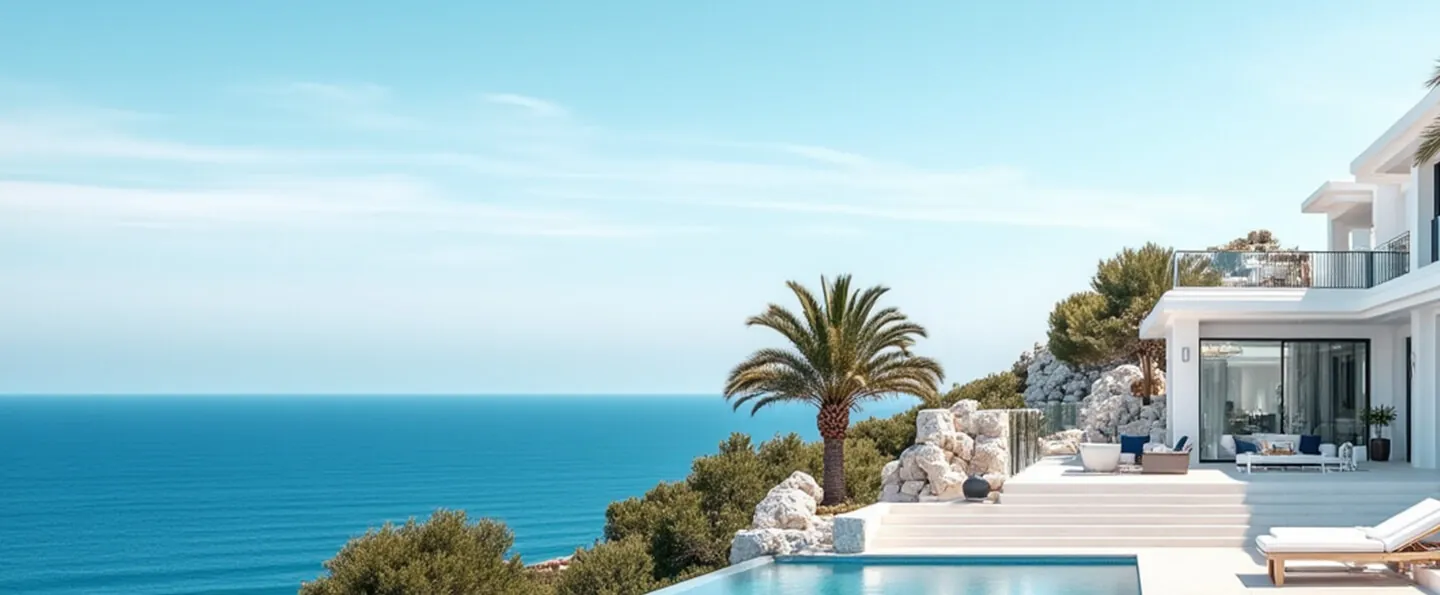
There’s a moment that comes to everyone who moves to the Algarve—a moment when everything shifts. Perhaps it’s your first lunch that stretches languidly past 3 PM, the afternoon sun warming your shoulders as you linger over the last sip of wine, realizing you have nowhere urgent to be. Or maybe it’s the evening you find yourself at a neighbor’s terrace, invited spontaneously for grilled sardines, where conversation flows as freely as the wine and suddenly it’s midnight and you’re part of a story being told, a joke being shared, a community being woven.
This is when you understand: the Algarve isn’t just a place you’ve moved to. It’s a way of being you’re learning to inhabit.
The Art of Slowing Down
Moving to the Algarve from busier, more frenetic places can feel like stepping off a carousel that’s been spinning too fast for too long. At first, the slower pace might even unsettle you. Shops close for lunch. Dinner doesn’t start until 8 PM or later. That urgency you carried like a second skin begins to feel out of place here, almost comical.
But give it time. Let the Algarve teach you its rhythms.
Here, meals aren’t fuel stops between obligations—they’re the main event. A simple lunch with friends can unfold over two, three hours. Multiple courses arrive without rush. Wine appears and is replenished. Stories are told. Laughter builds in waves. This isn’t inefficiency or laziness; it’s a profound understanding that connection, pleasure, and presence are what make life worth living.
The Portuguese have a word—descansar—that means more than simply “to rest.” It carries the sense of truly unwinding, of giving yourself permission to pause and breathe. You’ll see it practiced everywhere: in the elderly couples sitting on benches watching the world pass by, in the multi-generational Sunday lunches that last all afternoon, in the way shopkeepers chat with customers as if time is the one thing they have in abundance.
Learning to embrace this slower pace doesn’t mean abandoning productivity or ambition. It means recognizing that life happens in the margins we usually rush past—in the conversations, the sunsets, the unhurried meals shared with people we care about.
Building Community in Your New Home
One of the most beautiful aspects of Algarve life is how community still matters here in ways that feel increasingly rare in our modern world. This is a place where neighbors actually know each other, where the local baker remembers how you like your bread, where the vegetable vendor at the market asks about your family.
But building these connections takes initiative and openness. The Portuguese are warm and welcoming, but like anywhere, genuine friendships develop through consistent, authentic interaction.
Start at the municipal market. Go early, when locals are shopping for their daily meals. Even if your Portuguese is limited, smile, make an effort with a few words, show genuine interest in the produce. Return to the same vendors week after week. Notice how recognition turns to warmth, warmth to familiarity, familiarity to friendship. These regular touchpoints create the fabric of community life.
Join local activities that interest you—walking groups, Portuguese language classes, community gardens, volunteer organizations. The international community in the Algarve is vibrant and welcoming, offering easier entry points, but don’t stop there. Some of your richest experiences will come from connecting with Portuguese neighbors who can introduce you to the region’s deeper rhythms and traditions.
Accept invitations, even when they’re inconvenient. When a neighbor invites you for coffee or dinner, say yes. When there’s a local festival or celebration, show up. These moments of connection are how you transition from being an outsider to being part of the community. The Portuguese value loyalty, consistency, and genuine interest—show these qualities, and you’ll find doors opening.
And here’s a secret: bring food. Portuguese culture revolves around sharing meals, and arriving with homemade treats or contributions to gatherings is always appreciated. It doesn’t need to be elaborate—even simple offerings made with care demonstrate respect and reciprocity.
The Outdoor Life: Sun, Sea, and Seasons
With over 300 days of sunshine annually and temperatures that rarely dip below comfortable, the Algarve invites you to live outdoors in ways that feel almost decadent if you’re coming from grayer, colder climates.
Your relationship with nature shifts here. The Atlantic becomes not just scenery but a presence in your daily life—a place for morning swims, sunset walks, weekend fishing trips, or simply sitting and watching waves that have traveled thousands of miles to meet this dramatic coastline.
Each beach has its own personality. The wild, cliff-backed beaches of the western coast offer solitude and raw beauty. The golden stretches of the central Algarve provide family-friendly amenities and easy access. The calmer waters of the eastern coast are perfect for paddleboarding and kayaking. Part of embracing the Algarve lifestyle is exploring these varied coastlines and discovering your favorites—that secret cove where you go to think, that beach perfect for morning coffee, that sunset spot that never fails to take your breath away.
But the Algarve’s outdoor life extends far beyond the coast. The interior regions—the Barrocal and the mountains—offer completely different landscapes of rolling hills, cork forests, olive groves, and traditional villages that feel untouched by time. Hiking trails wind through Mediterranean vegetation fragrant with wild herbs. Cycling routes traverse quiet country roads past whitewashed farmhouses and orange groves.
Learn to read the seasons here, subtle as they are. The almond blossoms in February that paint the countryside in delicate pinks and whites. The sardine season of summer when coastal towns fill with the intoxicating aroma of fish grilling over charcoal. The fig harvest of late summer, olives in autumn, oranges in winter. These natural cycles connect you to the land and its abundance, grounding you in place and time.
Embracing the Culinary Journey
Food in the Algarve is never just about nutrition—it’s about story, tradition, connection, and pleasure. To truly embrace the lifestyle here means developing a relationship with the region’s cuisine that goes beyond eating in restaurants.
Visit the market not just as a tourist but as a regular shopper. Learn which fish are in season, how to select the ripest tomatoes, when clams are at their best. Build relationships with vendors who’ll set aside the finest catch for their regulars, who’ll teach you how to prepare ingredients you’ve never encountered before.
Experiment with cooking traditional dishes in your own kitchen. The beauty of Portuguese cuisine is that it doesn’t require fancy techniques or obscure ingredients—it’s about quality, simplicity, and respect for what you’re cooking. Fresh fish needs little more than good olive oil, garlic, and herbs. A cataplana, while dramatic, is essentially just layering great ingredients and letting them work their magic together.
Take advantage of the incredible wine available here. Visit local wine shops where proprietors are passionate about sharing Portuguese viticulture. Try unfamiliar grape varieties. Discover that wines you’d never heard of can be revelatory. And remember: in Portuguese culture, wine is meant to be enjoyed with food and friends, not scrutinized in isolation. This approachable, unpretentious attitude toward wine makes exploration joyful rather than intimidating.
Participate in food festivals when they happen—not as a tourist observer but as someone there to celebrate alongside locals. The sardine festivals, seafood celebrations, medieval fairs with traditional foods—these aren’t performances for visitors; they’re genuine expressions of regional pride and tradition. Show up, eat enthusiastically, stay late, dance if there’s music, and you’ll experience the Algarve’s soul in ways no guidebook can convey.
Finding Your Rhythm: Work, Rest, and Balance
Many people move to the Algarve seeking better work-life balance, and the region certainly offers that potential. But balance here doesn’t mean working less necessarily—it means integrating work more harmoniously into a life that values other things equally.
The Portuguese are productive and hardworking, but they also fiercely protect certain boundaries. Lunch is sacred. Family time is non-negotiable. Sundays often revolve around multi-generational gatherings. Even in professional contexts, there’s recognition that humans need rest, connection, and pleasure to thrive.
If you’re working remotely or running your own business, the Algarve offers ideal conditions—reliable internet, inspiring surroundings, a supportive international community of entrepreneurs and digital nomads. But the real gift is the permission the culture gives you to work differently. To take a proper lunch break. To knock off in time to catch the sunset. To understand that constantly pushing isn’t the only path to success.
Find your own rhythm within this more relaxed framework. Maybe you’re most productive in the morning, leaving afternoons free for beach time or exploring. Perhaps you work intensely several days a week and take long weekends to travel Portugal’s other regions. The key is intentionality—designing a life that reflects your values rather than defaulting to inherited patterns of busyness.
And build in rituals that anchor you in place. A morning walk along the beach. Regular dinners with friends. Sunday market visits. Weekly Portuguese lessons. These repeated touchpoints create the structure that makes freedom feel less like aimlessness and more like intentional living.
Navigating Cultural Differences with Grace
Every expat experiences moments of cultural friction—times when the Algarve way of doing things clashes with ingrained expectations from wherever you came from. The bureaucracy that moves at its own mysterious pace. The店 that closes unexpectedly. The understanding that “tomorrow” sometimes means “eventually.”
The path to happiness here requires surrendering certain expectations about efficiency, immediacy, and control. Things happen on Portuguese time, which is to say, they happen when they happen. Fighting this reality only generates frustration. Accepting it—even embracing it—opens space for patience, flexibility, and often unexpected serendipity.
Learn to laugh at the absurdities and delays. Develop relationships with people who can help navigate systems—a good accountant, a lawyer, Portuguese friends who can make phone calls when your language skills fail you. Recognize that in a relationship-oriented culture, knowing someone often matters as much as filling out the right form.
Most importantly, approach cultural differences with humility and curiosity rather than judgment. When things work differently here, it’s not because the Portuguese haven’t figured out the “right” way—it’s because they value different things and organize life around different priorities. Those priorities often turn out to be profoundly wise: valuing people over processes, relationships over efficiency, presence over productivity.
Participating in Traditions and Celebrations
The Algarve’s calendar is punctuated by festivals, celebrations, and traditions that offer windows into the region’s soul. From religious processions to music festivals, from sardine celebrations to medieval fairs, these events are invitations to participate in communal joy.
Don’t be shy about joining in. When the Black and White Night transforms Carvoeiro into a massive street party, dress in black and white and join the dancing. When your town has its patron saint festival, follow the procession, stay for the music, eat the traditional foods on offer. When there’s a summer arraial (street party) in your neighborhood, show up with a bottle of wine and an open heart.
These celebrations reveal Portuguese culture at its most exuberant and welcoming. The infectious energy, the multi-generational participation, the seamless blend of tradition and contemporary life—all of it demonstrates what makes the Algarve special. You’re not watching Portuguese life; you’re living it.
And don’t wait for formal events to celebrate. The Portuguese find reasons to gather constantly—a beautiful evening becomes reason enough for a spontaneous dinner, a favor from a neighbor merits inviting them for drinks, any excuse will do for bringing people together around food and wine.
Learning the Language of Connection
While you can survive in the Algarve with English alone, learning Portuguese transforms your experience from pleasant to profound. It’s the difference between being a permanent guest and becoming part of the place.
You don’t need fluency to reap benefits. Even basic Portuguese—greetings, pleasantries, essential phrases—signals respect and effort that Portuguese people deeply appreciate. The warmth you receive when you try, however imperfectly, to speak their language is immediate and genuine.
Language opens practical doors: better service, help navigating bureaucracy, understanding what’s happening around you. But more importantly, it opens emotional and social doors. Jokes land differently. Conversations deepen. Market vendors share cooking tips. Neighbors invite you to family gatherings. You understand the music, the poetry, the wordplay that reveals how a culture thinks and feels.
Approach language learning with the same patience you’re cultivating in other areas of Algarve life. Mistakes are inevitable and often endearing. Most Portuguese people will gently correct you, pleased by your effort. Take classes, yes, but also learn through immersion—shopping, watching Portuguese TV, reading children’s books, speaking with patient friends who’ll help you stumble toward competence.
And learn the words that have no direct English translation—saudade, desenrascanço, cafuné. These reveal Portuguese ways of experiencing the world that you’re now learning to inhabit.
Making the Algarve Your Home
Ultimately, embracing the Algarve lifestyle means allowing yourself to be changed by this place. To let go of who you were shaped to be in your previous life and discover who you might become here, in this land of sunshine and sea, tradition and community, simplicity and depth.
It means accepting that some days you’ll feel like an outsider, awkward in your attempts to fit in, nostalgic for the familiar. That’s normal. But other days—more and more of them as time passes—you’ll feel utterly at home. You’ll navigate the market without thinking, joke with neighbors in Portuguese, know which beaches suit your mood, cook cataplana from memory, understand the unspoken rhythms of the place.
You’ll find yourself defending the Portuguese way of doing things to visitors who complain about the pace. You’ll crave sardines in summer and feel genuine excitement when almond blossoms appear. You’ll celebrate Santos Populares like you’ve been doing it your whole life. You’ll pour wine for friends on your terrace as the Atlantic breeze carries the scent of salt and wild herbs, and realize with quiet amazement: this is your life now. This is home.
The Algarve doesn’t just offer good weather and beautiful beaches, though it has those in abundance. It offers something more precious and harder to find in our modern world—a way of living that honors pleasure, connection, tradition, and presence. A life where meals matter, relationships are cultivated, seasons are noticed, and joy is found in simple things done well and shared generously.
This is the lifestyle waiting for you here. All you need to do is slow down, open up, and let the Algarve work its quiet magic on your heart. The transformation won’t happen overnight, but one day you’ll look around and realize you’re not just living in the Algarve—you’re living the Algarve way. And that makes all the difference.
About the Author
This article was written by the Algarve Buyer Agent team, specialists in exclusive buyer representation for international property purchasers in Portugal’s Algarve region. With comprehensive market knowledge, access to both public and off-market properties, and dedication to matching discerning clients with their perfect homes, we guide international buyers through every step of the Algarve property journey.
Connect with us on LinkedIn | Email us for a consultation
Choosing the Algarve means choosing sunshine, safety, sophistication, and sound investment—all in one exceptional location. Your perfect Portuguese home awaits.